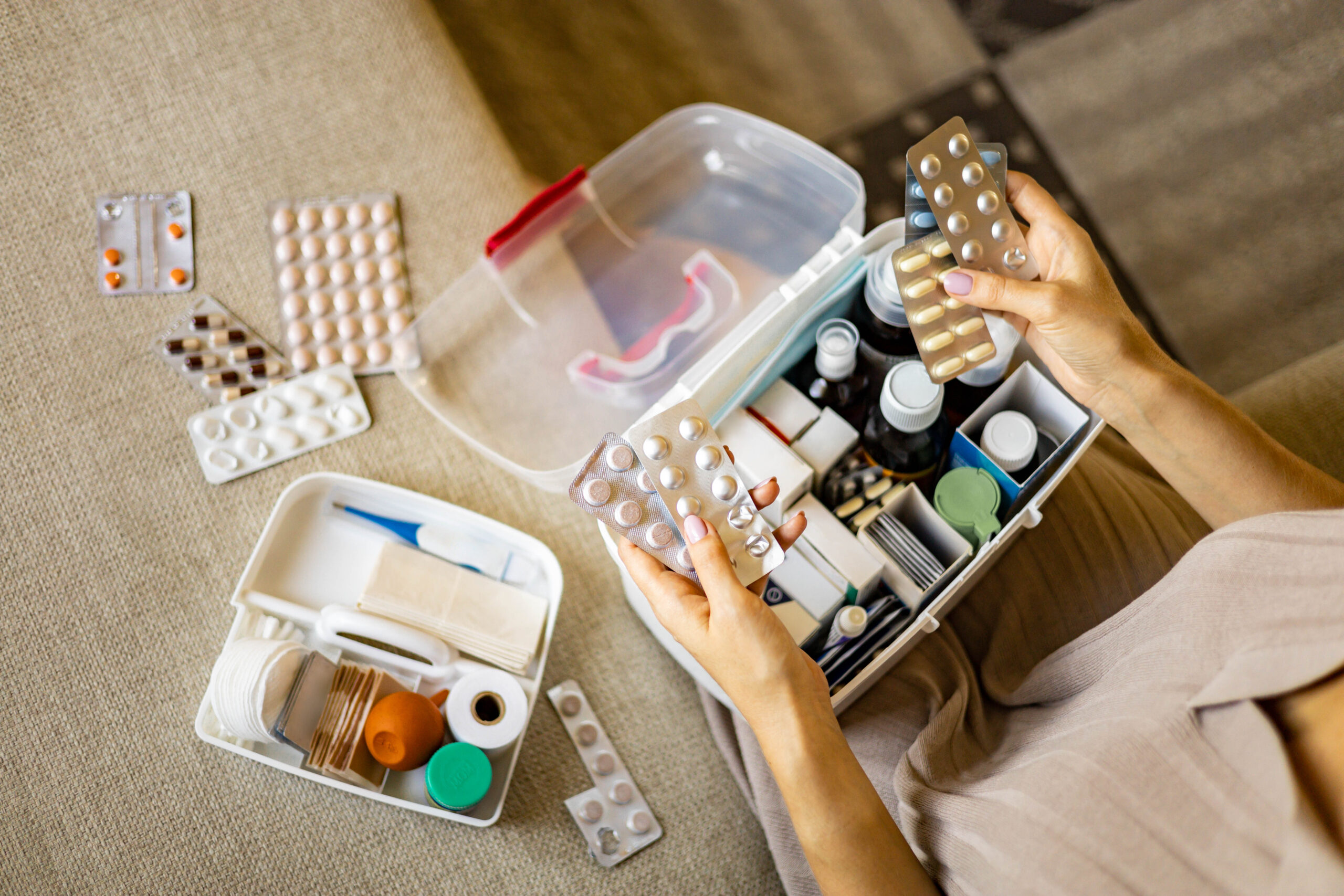
Medicines are essential for maintaining health and managing illnesses, but their effectiveness depends greatly on how they are stored and handled. Improper storage conditions — such as exposure to heat, humidity, or light — can reduce potency, cause contamination, and even lead to harmful side effects. Understanding the basics of medicine safety at home is crucial for protecting both your health and your family’s wellbeing.
Why Proper Storage Matters
Every medicine, from tablets to injectables, is formulated to remain stable under specific conditions. Factors like temperature, light, and moisture can impact a medicine’s chemical composition, making it less effective or even unsafe.
Key Reasons Proper Storage Is Important:
- Preserves Potency: Prevents degradation of the active ingredients.
- Maintains Safety: Avoids contamination or bacterial growth in liquid or injectable forms.
- Prevents Accidents: Reduces risk of misuse or accidental ingestion by children.
- Ensures Longer Shelf Life: Keeps the medication effective until its expiry date.
Even small changes in storage — such as keeping tablets in a humid bathroom — can compromise medicine quality over time.
General Guidelines for Safe Storage
Follow these practical tips to ensure your medicines remain safe and effective:
- Keep Medicines in Original Packaging: Labels provide important details like expiry dates and instructions.
- Avoid Heat and Sunlight: Most medicines should be stored below 25°C and away from direct sunlight.
- Store in a Cool, Dry Place: Cabinets, drawers, or designated medical boxes are ideal.
- Check Expiry Dates Regularly: Dispose of expired medicines immediately.
- Keep Away from Children and Pets: Use locked cabinets or child-resistant containers.
If your home environment tends to be hot, consider using an air-conditioned or ventilated area for storage — especially for sensitive medications.
Special Handling for Specific Medicine Types
Different forms of medicines require unique storage methods to maintain stability and effectiveness:
1. Tablets and Capsules:
Store in a cool, dry area. Avoid removing them from the blister pack until use.
2. Syrups and Oral Liquids:
Keep tightly capped to prevent contamination. Shake well before each dose.
3. Injectables and Insulins:
Often require refrigeration (2–8°C). Never freeze. Always check clarity before use — discard if cloudy or discolored.
4. Eye Drops and Ointments:
Keep closed tightly and store as per the label — usually in a cool, dry place. Discard a month after opening.
5. Topical Creams and Patches:
Store away from sunlight; heat may affect their adhesive or active component.
Safe Disposal of Medicines
Improper disposal can harm the environment or lead to misuse. Follow these safe practices:
- Do not flush medicines down the toilet or sink.
- Return unused or expired medicines to your local pharmacy or medical disposal center.
- For tablets or capsules, mix them with undesirable substances (like coffee grounds or dirt) before disposing in household trash, if no take-back program is available.
Conclusion
Safe storage and handling of medicines are just as important as taking them correctly.
By maintaining proper storage conditions, checking expiry dates, and following disposal guidelines, you ensure that every dose you take is both effective and safe.
At Thaiger Pharma, we encourage every household to build good medicine-handling habits — because your health deserves the utmost care, even after you leave the pharmacy.
Leave a Reply