Blog

  • Medicines for Chronic Conditions: What You Should Know

    Medicines for Chronic Conditions: What You Should Know

    Chronic conditions such as diabetes, hypertension, and high cholesterol affect millions of people worldwide and require consistent, long-term management. Medicines play a critical role in controlling symptoms, preventing complications, and improving quality of life. Understanding the types of medications available, how they work, and best practices for their use can empower patients to manage their health effectively.


    1. Medicines for Hypertension

    High blood pressure, or hypertension, is a common chronic condition that can lead to heart disease, stroke, and kidney problems if left untreated. Various medications help control blood pressure levels:

    Common Classes of Drugs:

    • ACE Inhibitors: Reduce blood vessel constriction (e.g., enalapril).
    • Beta-Blockers: Lower heart rate and blood pressure (e.g., metoprolol).
    • Diuretics: Help remove excess sodium and water from the body (e.g., hydrochlorothiazide).

    Tips for Patients:

    • Take medications consistently at the same time each day.
    • Monitor blood pressure regularly at home.
    • Maintain a healthy lifestyle with diet and exercise alongside medication.

    2. Medicines for Diabetes

    Diabetes requires careful blood sugar management to prevent long-term complications such as neuropathy, kidney disease, and vision problems. Medicines vary depending on type and severity:

    Types of Diabetes Medications:

    1. Oral Hypoglycemics: Help lower blood sugar levels (e.g., metformin, sulfonylureas).
    2. Insulin Therapy: Essential for type 1 diabetes and some type 2 cases.
    3. GLP-1 Agonists: Support insulin production and weight management (e.g., liraglutide).

    Patient Guidelines:

    • Follow a structured medication schedule.
    • Monitor blood glucose levels regularly.
    • Combine medication with a balanced diet and physical activity.

    3. Medicines for High Cholesterol

    High cholesterol contributes to cardiovascular disease by causing plaque buildup in arteries. Treatment often involves lifestyle changes and medication:

    Common Medicines:

    • Statins: Lower LDL (“bad”) cholesterol (e.g., atorvastatin).
    • Fibrates: Reduce triglycerides (e.g., fenofibrate).
    • Cholesterol Absorption Inhibitors: Limit cholesterol absorption in the gut (e.g., ezetimibe).

    Lifestyle Tips:

    • Follow a heart-healthy diet.
    • Exercise regularly.
    • Avoid smoking and excess alcohol.

    4. Adherence and Safety Tips

    Managing chronic conditions requires consistent medication adherence and regular medical supervision.

    Important Practices:

    • Set reminders to take medicines on time.
    • Do not skip doses or adjust them without consulting a doctor.
    • Be aware of possible side effects and report them promptly.
    • Keep an updated record of all medications, including dosages and schedules.

    Conclusion

    Medicines are an indispensable part of managing chronic conditions.

    • Hypertension medications protect the heart and kidneys.
    • Diabetes medications regulate blood sugar and prevent complications.
    • Cholesterol-lowering drugs reduce cardiovascular risks.

    Combining the right medication with lifestyle adjustments, regular check-ups, and proper adherence ensures the best possible health outcomes. At Thaiger Pharma, we emphasize patient education and safe use of medicines to help individuals lead healthier, more fulfilling lives.

  • Emerging Trends in Pharmaceutical Manufacturing & R&D

    Emerging Trends in Pharmaceutical Manufacturing & R&D

    The pharmaceutical industry is evolving at an unprecedented pace, driven by technological advancements, patient-centric care, and global health challenges. Manufacturing and research processes are no longer just about producing medicines; they now focus on efficiency, quality, innovation, and sustainability. Staying informed about these trends is crucial for healthcare professionals, companies, and patients alike.


    1. Automation and Smart Manufacturing

    Automation is transforming how pharmaceutical companies manufacture drugs. Advanced robotics, computer-controlled systems, and artificial intelligence (AI) are streamlining production lines, ensuring precision and consistency.

    Key Advantages:

    • Reduced Human Error: Automated processes minimize mistakes during formulation and packaging.
    • Improved Efficiency: Faster production without compromising quality.
    • Enhanced Safety: Reduces exposure of workers to hazardous chemicals.

    Example: Automated blister packing of tablets or real-time monitoring of injectable production ensures consistency in every batch.


    2. Artificial Intelligence in Drug Discovery

    AI and machine learning are rapidly reshaping pharmaceutical research. These technologies can analyze large datasets, identify potential drug candidates, and predict outcomes more efficiently than traditional methods.

    Benefits Include:

    1. Faster identification of promising compounds.
    2. Reduced R&D costs and development timelines.
    3. Improved accuracy in predicting drug efficacy and safety.

    AI-powered platforms are particularly valuable in personalized medicine, where treatments are tailored to individual patients’ genetics and health profiles.


    3. Personalized and Precision Medicine

    Personalized medicine focuses on creating therapies specific to a patient’s genetic makeup, lifestyle, and environment. This approach contrasts with one-size-fits-all treatments and promises better efficacy and fewer side effects.

    Applications:

    • Targeted cancer therapies.
    • Customized cardiovascular treatments.
    • Individualized medication plans for chronic diseases.

    Pharmaceutical companies are increasingly investing in research to expand personalized solutions, ensuring patients receive the right drug at the right dose at the right time.


    4. Sustainability and Green Practices

    Environmental responsibility is becoming a priority in pharma manufacturing. Companies are adopting eco-friendly production methods, reducing waste, conserving water, and lowering carbon emissions.

    Key Initiatives:

    • Using biodegradable packaging for tablets and syrups.
    • Recycling solvents and chemical by-products.
    • Implementing energy-efficient manufacturing processes.

    Sustainable practices not only protect the planet but also reduce long-term operational costs and enhance brand credibility.


    Conclusion

    The pharmaceutical industry is entering a new era, defined by innovation, safety, and sustainability.

    • Automation ensures high-quality production with minimal errors.
    • AI and machine learning accelerate drug discovery and clinical research.
    • Personalized medicine tailors treatments for optimal patient outcomes.
    • Sustainable practices make manufacturing eco-friendly and responsible.

    At Thaiger Pharma, staying informed about these emerging trends allows us to deliver better products and services, while empowering patients and healthcare professionals with the most advanced solutions available.

  • Safe Storage and Handling of Medicines at Home

    Safe Storage and Handling of Medicines at Home

    Medicines are essential for maintaining health and managing illnesses, but their effectiveness depends greatly on how they are stored and handled. Improper storage conditions — such as exposure to heat, humidity, or light — can reduce potency, cause contamination, and even lead to harmful side effects. Understanding the basics of medicine safety at home is crucial for protecting both your health and your family’s wellbeing.


    Why Proper Storage Matters

    Every medicine, from tablets to injectables, is formulated to remain stable under specific conditions. Factors like temperature, light, and moisture can impact a medicine’s chemical composition, making it less effective or even unsafe.

    Key Reasons Proper Storage Is Important:

    1. Preserves Potency: Prevents degradation of the active ingredients.
    2. Maintains Safety: Avoids contamination or bacterial growth in liquid or injectable forms.
    3. Prevents Accidents: Reduces risk of misuse or accidental ingestion by children.
    4. Ensures Longer Shelf Life: Keeps the medication effective until its expiry date.

    Even small changes in storage — such as keeping tablets in a humid bathroom — can compromise medicine quality over time.


    General Guidelines for Safe Storage

    Follow these practical tips to ensure your medicines remain safe and effective:

    • Keep Medicines in Original Packaging: Labels provide important details like expiry dates and instructions.
    • Avoid Heat and Sunlight: Most medicines should be stored below 25°C and away from direct sunlight.
    • Store in a Cool, Dry Place: Cabinets, drawers, or designated medical boxes are ideal.
    • Check Expiry Dates Regularly: Dispose of expired medicines immediately.
    • Keep Away from Children and Pets: Use locked cabinets or child-resistant containers.

    If your home environment tends to be hot, consider using an air-conditioned or ventilated area for storage — especially for sensitive medications.


    Special Handling for Specific Medicine Types

    Different forms of medicines require unique storage methods to maintain stability and effectiveness:

    1. Tablets and Capsules:
    Store in a cool, dry area. Avoid removing them from the blister pack until use.

    2. Syrups and Oral Liquids:
    Keep tightly capped to prevent contamination. Shake well before each dose.

    3. Injectables and Insulins:
    Often require refrigeration (2–8°C). Never freeze. Always check clarity before use — discard if cloudy or discolored.

    4. Eye Drops and Ointments:
    Keep closed tightly and store as per the label — usually in a cool, dry place. Discard a month after opening.

    5. Topical Creams and Patches:
    Store away from sunlight; heat may affect their adhesive or active component.


    Safe Disposal of Medicines

    Improper disposal can harm the environment or lead to misuse. Follow these safe practices:

    • Do not flush medicines down the toilet or sink.
    • Return unused or expired medicines to your local pharmacy or medical disposal center.
    • For tablets or capsules, mix them with undesirable substances (like coffee grounds or dirt) before disposing in household trash, if no take-back program is available.

    Conclusion

    Safe storage and handling of medicines are just as important as taking them correctly.
    By maintaining proper storage conditions, checking expiry dates, and following disposal guidelines, you ensure that every dose you take is both effective and safe.

    At Thaiger Pharma, we encourage every household to build good medicine-handling habits — because your health deserves the utmost care, even after you leave the pharmacy.

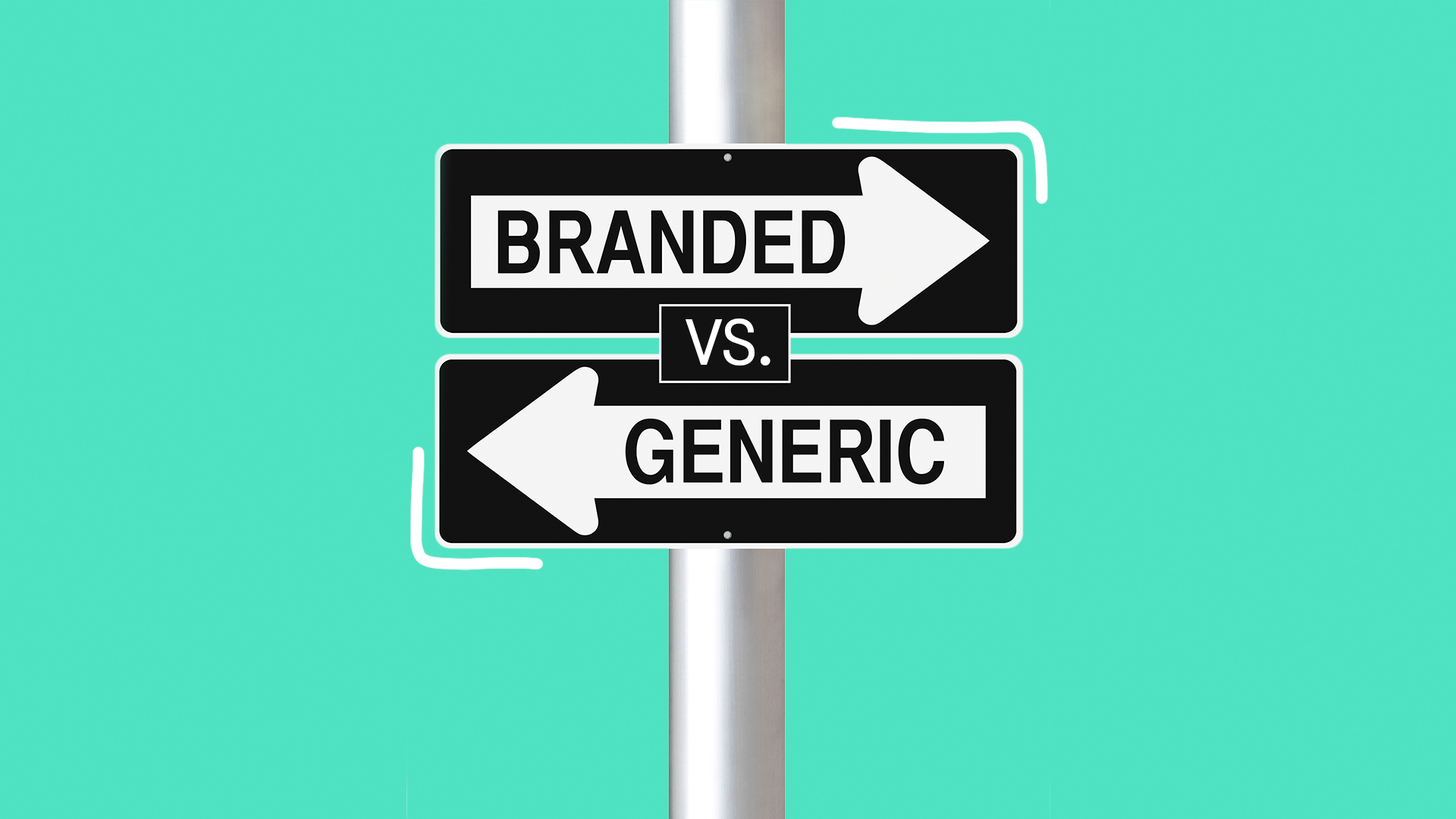
  • Generic vs Brand-Name Medicines: What You Should Know

    Generic vs Brand-Name Medicines: What You Should Know

    In the pharmaceutical industry, patients often face a common question: Should I choose a brand-name medicine or a generic one? While both serve the same purpose — to treat or manage health conditions — they differ in name, price, and perception. Understanding how these medicines are developed, tested, and regulated can help you make informed and confident healthcare decisions.

    What Are Brand-Name Medicines?

    Brand-name medicines are the original products developed by pharmaceutical companies after years of research, testing, and regulatory approval. These drugs are protected by patents, which give the manufacturer exclusive rights to produce and sell them for a specific period.

    Key Features of Brand-Name Drugs:

    1. Innovation: Developed through extensive research and clinical trials.
    2. High Cost: Includes the investment of years of R&D and marketing.
    3. Quality Assurance: Subject to rigorous testing and regulatory review.
    4. Recognition: Often marketed under memorable brand names for easy recall.

    Example: Drugs like Lipitor (atorvastatin) and Glucophage (metformin) were initially brand-name products before their patents expired.


    What Are Generic Medicines?

    Once the patent of a brand-name medicine expires, other companies are allowed to produce generic versions. These medicines contain the same active ingredient, strength, dosage form, and route of administration as the original — but are sold under the chemical name, usually at a lower cost.

    Advantages of Generic Medicines:

    • 💰 Cost-Effective: 50–80% cheaper than branded drugs.
    • Same Quality & Efficacy: Must meet strict bioequivalence standards set by regulatory bodies.
    • 🌍 Wider Accessibility: Helps more patients afford treatment.
    • 🏥 Trusted Globally: Approved by agencies like the FDA, EMA, and CDSCO.

    Regulatory Standards and Safety

    Both brand-name and generic medicines are held to the same quality, safety, and efficacy standards. Before approval, generics must demonstrate bioequivalence, proving that they deliver the same amount of active ingredient into the bloodstream in the same time frame as the brand-name drug.

    In Short:

    • Same Effect: Works just as effectively as the brand version.
    • Same Safety Profile: Side effects and interactions remain consistent.
    • Same Manufacturing Standards: Produced under Good Manufacturing Practices (GMP).

    Common Misconceptions

    Despite their proven equivalence, generic drugs are sometimes misunderstood.
    Here are some myths clarified:

    1. Myth: Generics are lower in quality.
      Fact: They are equally safe and effective, approved by the same authorities.
    2. Myth: They act slower or differently.
      Fact: They contain the same active ingredients, producing identical effects.
    3. Myth: They are unsafe for chronic use.
      Fact: Generics are used safely by millions worldwide for long-term treatments.

    Conclusion

    The choice between brand-name and generic medicines ultimately depends on your doctor’s recommendation and personal preference. However, knowing that generic medicines offer the same benefits at a fraction of the cost can empower patients to make financially and medically sound decisions.

    Both versions uphold the same standards of safety, quality, and effectiveness — ensuring you receive the best care possible, regardless of brand.

  • Understanding Different Dosage Forms in Pharmaceuticals

    Understanding Different Dosage Forms in Pharmaceuticals

    In the vast field of medicine, understanding the different dosage forms of pharmaceuticals is essential for both healthcare providers and patients. Each form—be it a tablet, injectable, topical, or capsule—serves a specific purpose, determined by how the body best absorbs and utilizes the medication. Choosing the correct dosage form can improve treatment effectiveness, patient compliance, and overall health outcomes.

    Tablets and Capsules: Convenience and Precision

    Tablets and capsules are among the most common and convenient forms of medication available today.
    They offer numerous advantages:

    • Ease of Use: Simple to swallow and often require just water for administration.
    • Accurate Dosage: Each unit contains a precise amount of active ingredient.
    • Extended Shelf Life: Their stability makes them suitable for long-term storage.

    Common Uses:

    1. Pain relievers such as ibuprofen and acetaminophen.
    2. Antibiotics for bacterial infections.
    3. Medications for chronic conditions like hypertension and diabetes.

    Injectables: Speed and Accuracy

    Injectable medications are essential when a rapid response is needed or when oral administration is not possible.
    They deliver the active ingredient directly into the bloodstream, muscles, or tissues, allowing for faster absorption and higher bioavailability.

    Benefits of Injectables:

    • Rapid onset of action, ideal for emergencies.
    • Suitable for drugs destroyed by digestive enzymes.
    • Precise control in critical care scenarios.

    Common Examples:

    1. Insulin for diabetes.
    2. Epinephrine for severe allergic reactions.
    3. Vaccines to build immunity against diseases.

    Topical and Transdermal Forms: Targeted Relief

    Topical creams, gels, and patches are designed for localized treatment or steady drug release through the skin.
    They offer convenience, minimal systemic side effects, and consistent dosing over time.

    Applications Include:

    • Pain management creams and gels.
    • Hormonal or nicotine patches.
    • Skin condition treatments such as antifungal or corticosteroid creams.

    Oral Liquids: For Flexible Dosing

    Oral liquids—such as syrups and suspensions—are particularly useful for children and elderly patients who may have difficulty swallowing pills.
    They allow for customizable dosing and faster absorption, though they typically have a shorter shelf life than tablets or capsules.


    Conclusion

    Each dosage form has unique advantages suited to different medical needs.

    • Tablets and capsules ensure convenience and precision.
    • Injectables provide rapid and reliable action.
    • Topical forms offer targeted relief with minimal systemic exposure.
    • Oral liquids give flexibility in dosing for patients of all ages.

    Understanding these distinctions empowers patients to use their medications safely and effectively while helping healthcare professionals make better treatment decisions.

  • Exploring the Essentials: Tablets, Injectables, and Human Growth Hormone (HGH)

    Exploring the Essentials: Tablets, Injectables, and Human Growth Hormone (HGH)

    In the vast world of pharmaceuticals, understanding the various forms and categories of medications can significantly impact health outcomes. This blog sheds light on three major categories of medicines: tablets, injectables, and human growth hormone (HGH). Each plays a unique role in treating a wide array of medical conditions.


    Tablets: The Ubiquitous Medicine Form

    Convenience and Versatility

    Tablets are perhaps the most commonly used form of medication. Their popularity stems from several advantages:

    • Ease of Administration – Simple to take, often with just a glass of water.
    • Controlled Dosage – Each tablet contains a precise dose, ensuring consistent treatment.
    • Stability – Tablets have a longer shelf life compared to many other forms of medication.

    Common Uses

    Tablets are used to treat a wide range of conditions, including:

    • Pain Relief – Medications like ibuprofen and acetaminophen.
    • Chronic Conditions – Diabetes, hypertension, and cholesterol management.
    • Infections – Antibiotic tablets to combat bacterial infections.

    Injectables: Direct and Potent

    Rapid Onset and Precision

    Injectable medications are crucial when quick response or non-oral administration is required. Their benefits include:

    • Quick Absorption – Delivered directly into the bloodstream, muscles, or tissues.
    • High Bioavailability – Bypass the digestive system, ensuring maximum effect.
    • Precision in Critical Care – Provide accurate control in emergencies.

    Common Uses

    Injectables are indispensable in several medical scenarios, such as:

    • Emergency Situations – Epinephrine for allergic reactions, insulin for diabetic emergencies.
    • Vaccinations – Many vaccines are administered via injection.
    • Chronic Illness Management – Treatments for rheumatoid arthritis, multiple sclerosis, and more.

    Human Growth Hormone (HGH): A Special Category

    Unique Therapeutic Benefits

    HGH is a vital component in the treatment of specific medical conditions, offering unique benefits:

    • Growth Disorders – Essential for children with growth hormone deficiency.
    • Muscle Wasting Diseases – Helps preserve muscle mass in conditions like HIV/AIDS.
    • Aging-Related Treatments – Sometimes used in anti-aging therapies to improve muscle mass and skin elasticity (though controversial).

    Administration and Regulation

    • Method – HGH is usually administered via injection since it cannot be taken orally.
    • Strict Regulation – Its use is highly controlled to prevent misuse and side effects.

    Ethical Considerations

    The use of HGH in sports and anti-aging raises ethical concerns. It should only be used under medical supervision to ensure safety and effectiveness.


    Conclusion

    Understanding the differences between tablets, injectables, and HGH empowers patients and caregivers to make informed decisions about treatment options.

    • Tablets – Convenient and widely used for everyday conditions.
    • Injectables – Fast-acting and precise, critical in emergencies.
    • HGH – Specialized treatment for specific health needs, with strict regulation.

    Each category plays a crucial role in maintaining and improving health. Always stay informed and consult healthcare professionals to ensure the best outcomes for your health needs.